Integrating Handheld Payment Systems with Inventory Logs Using Automated Triggers During Retail Rush Hours
Written by Jakob Schmitz · Oct 13, 2026
Integrating Handheld Payment Systems with Inventory Logs Using Automated Triggers During Retail Rush Hours
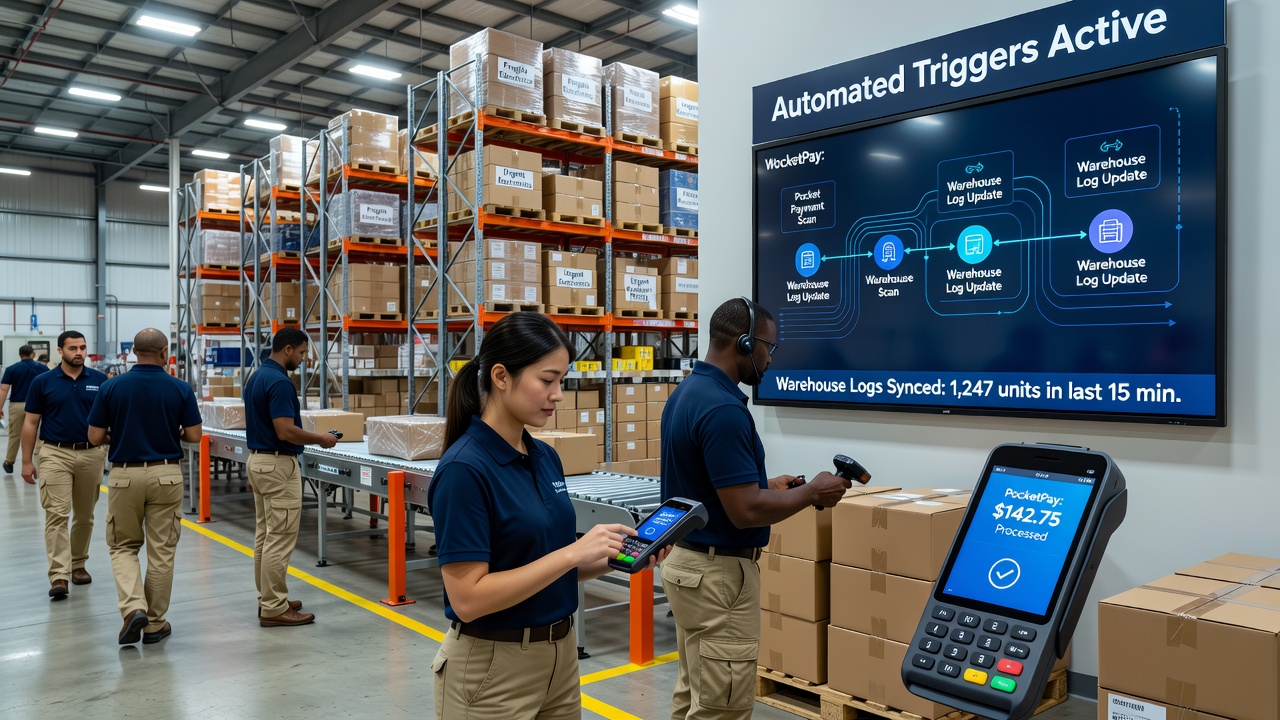
Retail operations rely on seamless data flows between handheld payment devices and central warehouse records, especially when transaction volumes spike during seasonal peaks. Systems now connect these elements through automated triggers that activate inventory adjustments the moment a sale completes on a mobile terminal. This setup reduces manual entry errors and keeps stock levels accurate in real time.
October 2026 saw several major chains test expanded versions of these integrations ahead of holiday demand, with processors routing transaction details directly to warehouse management platforms. Data from those pilots showed that trigger-based updates cut reconciliation times by linking payment authorization sequences to stock deductions without additional staff intervention.
Core Mechanisms Behind the Connections
Handheld terminals capture payment information and send it through gateway processors, where verification occurs before funds move to merchant accounts. At the same instant, the system generates a trigger that updates warehouse logs by subtracting sold items from available inventory counts. Retailers program these triggers to account for variables such as partial shipments or backordered goods, ensuring the logs reflect actual availability rather than just sales data.
Observers note that the architecture often involves API calls between payment platforms and inventory databases, allowing the same transaction record to serve both financial reconciliation and supply chain planning. When volumes rise, these automated pathways prevent the delays that once required separate teams to match daily sales reports against warehouse adjustments.
Handling Peak Period Demands
Busy retail windows, including back-to-school periods and pre-holiday rushes, place heavy loads on both payment networks and inventory systems. Automated triggers manage this by prioritizing high-frequency updates during those hours while queuing lower-priority tasks for off-peak processing. Retail chains that adopted such methods reported fewer stock discrepancies because the logs stayed synchronized with every completed sale.
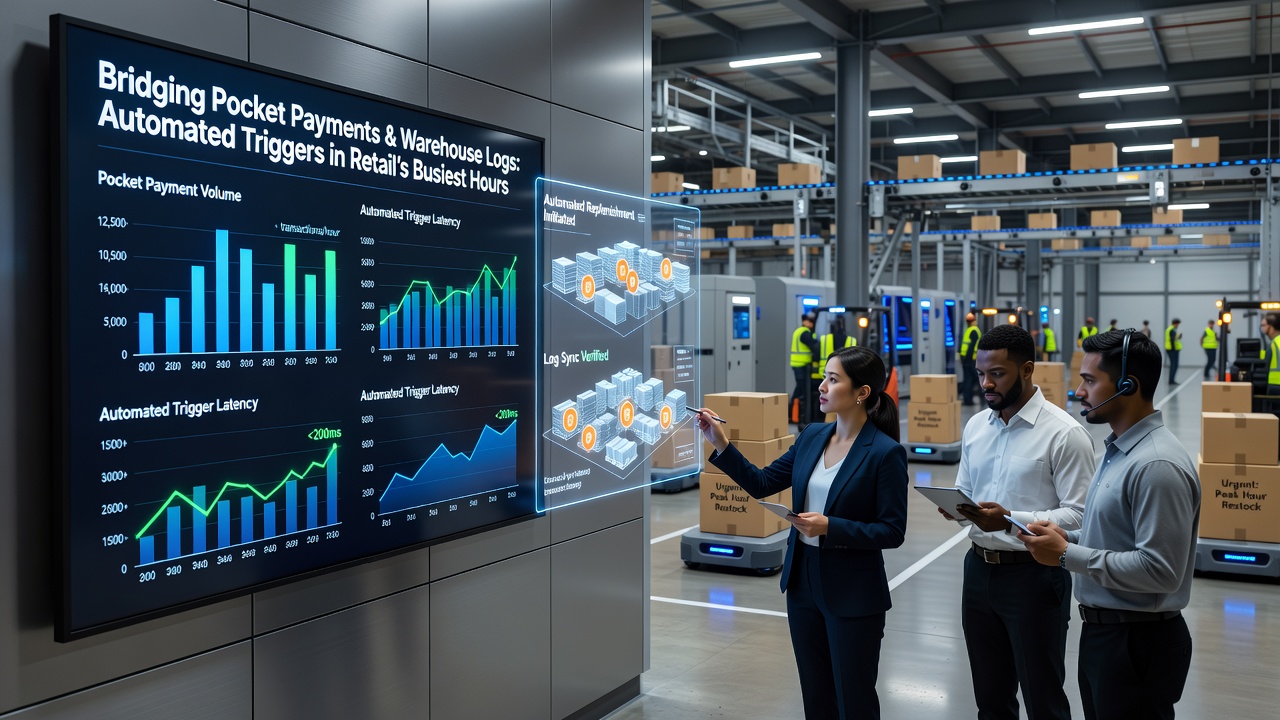
One distribution center handling multiple store locations found that linking portable payment units to central ledgers through these triggers allowed overnight restocking decisions to draw from accurate, up-to-the-minute figures. The process works by embedding rules that flag when inventory drops below thresholds, prompting automatic reorder signals without waiting for end-of-day batch reports.
Data Pathways and Compliance Considerations
Information travels from handheld readers through encrypted channels to both banking institutions and warehouse servers, satisfying requirements set by various oversight bodies. According to National Retail Federation reports, synchronized systems help maintain audit trails that cover both payment authorization and inventory movement in a single continuous record.
European retailers have followed similar patterns, drawing on guidelines from the European Commission retail sector analysis to align data protection standards across payment and logistics platforms. These frameworks ensure that triggers operate within defined security parameters while still delivering the speed needed during high-volume hours.
Examples from Operational Settings
Take a mid-sized apparel chain that equipped floor staff with portable devices during its annual clearance event. Each transaction not only processed the payment but also adjusted warehouse allocations for sizes and colors across multiple locations. Staff observed that the automated sequence eliminated the previous need for manual spreadsheet updates after closing, freeing time for customer service instead.
Another case involved a grocery network managing fresh produce sections, where triggers tied to handheld payments adjusted expected delivery quantities based on real-time sales velocity. The system accounted for spoilage factors and supplier lead times, keeping logs current without requiring separate inventory audits during peak shopping windows.
Conclusion
Automated triggers now form the practical link between pocket payments and warehouse logs, allowing retail operations to maintain accuracy when transaction flows intensify. The technology routes data from mobile devices through processors into inventory platforms, supporting both financial and supply functions in a unified sequence. As October 2026 implementations demonstrated, these connections scale with demand while meeting established compliance standards across regions.