Regulatory Benchmarks Steering Recurring Transactions Across Mobile Retail Platforms
Written by Uma Vogel · Sep 29, 2026
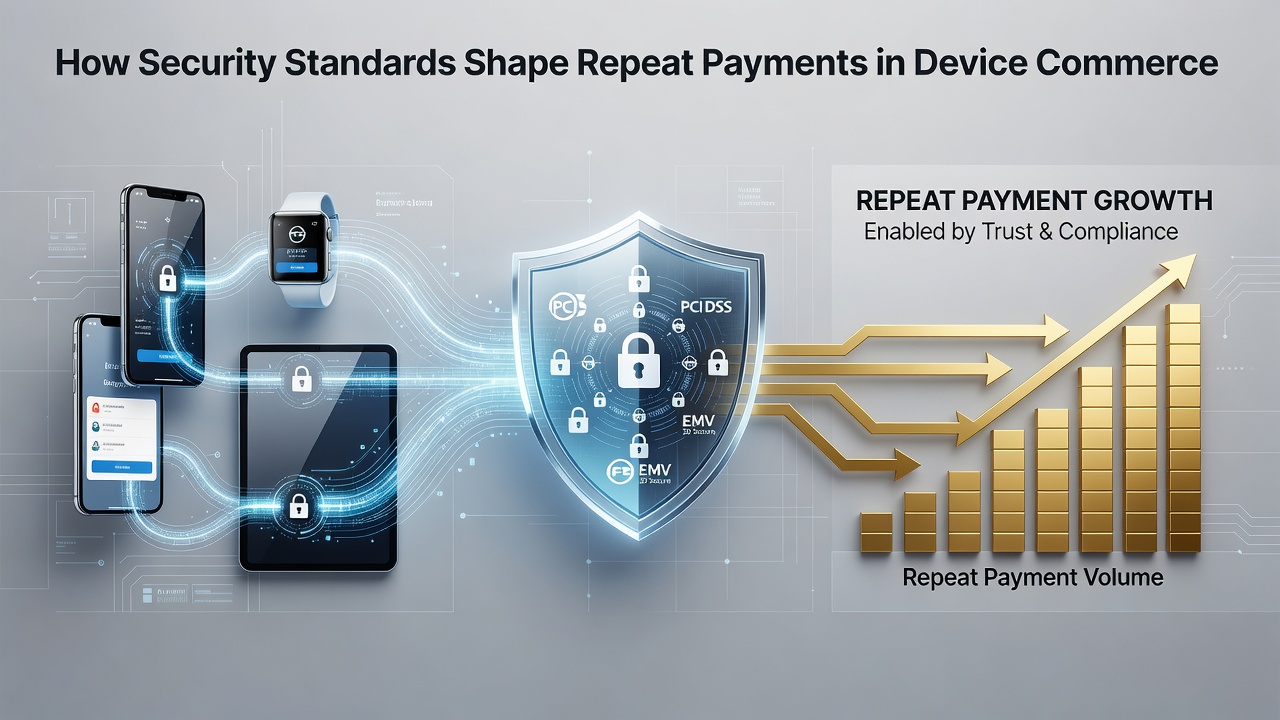
Regulatory Benchmarks Steering Recurring Transactions Across Mobile Retail Platforms
Security standards such as the Payment Card Industry Data Security Standard continue to define how merchants handle recurring charges through handheld terminals and other portable devices, and these rules require specific encryption protocols along with regular audits that merchants must complete before processing repeat transactions in high-volume environments. Observers note that compliance with these benchmarks forces retailers to integrate tokenization systems that replace card details with unique identifiers, which reduces exposure during automated billing cycles on devices used in stores and at events.
Core Mechanisms Driving Device-Based Recurring Payments
Tokenization combined with point-to-point encryption shapes the flow of data from portable readers to payment processors, while standards mandate that each recurring authorization includes fresh verification sequences to prevent unauthorized deductions. Research from industry reports indicates that devices operating under these frameworks transmit only tokenized values during subscription renewals, which limits the amount of sensitive information stored locally on terminals and syncs with central ledgers through secure channels. Experts have observed that this setup supports higher transaction volumes during peak periods because the standards enforce consistent authentication steps that merchants embed into their inventory-linked systems.
EMV specifications further guide how contactless and chip-based devices authorize repeat payments, and these protocols require dynamic cryptograms for each cycle even when the original card is not physically present. Data shows that merchants using EMV-compliant hardware experience fewer declines on recurring charges because the standards align authorization timelines with processor requirements, allowing seamless updates between sales floors and supplier records.
Regional Regulatory Influences on Portable Commerce
In the United States the Consumer Financial Protection Bureau oversees aspects of recurring billing disclosures that intersect with device security rules, whereas in the European Union the revised Payment Services Directive sets additional requirements for strong customer authentication during automated deductions. Canadian authorities through the Financial Consumer Agency apply similar data protection expectations for mobile terminals handling subscription streams, and Australian regulators via the Australian Securities and Investments Commission focus on transparency in recurring device transactions. These varied approaches create layered compliance layers that merchants must navigate when expanding device fleets across borders.
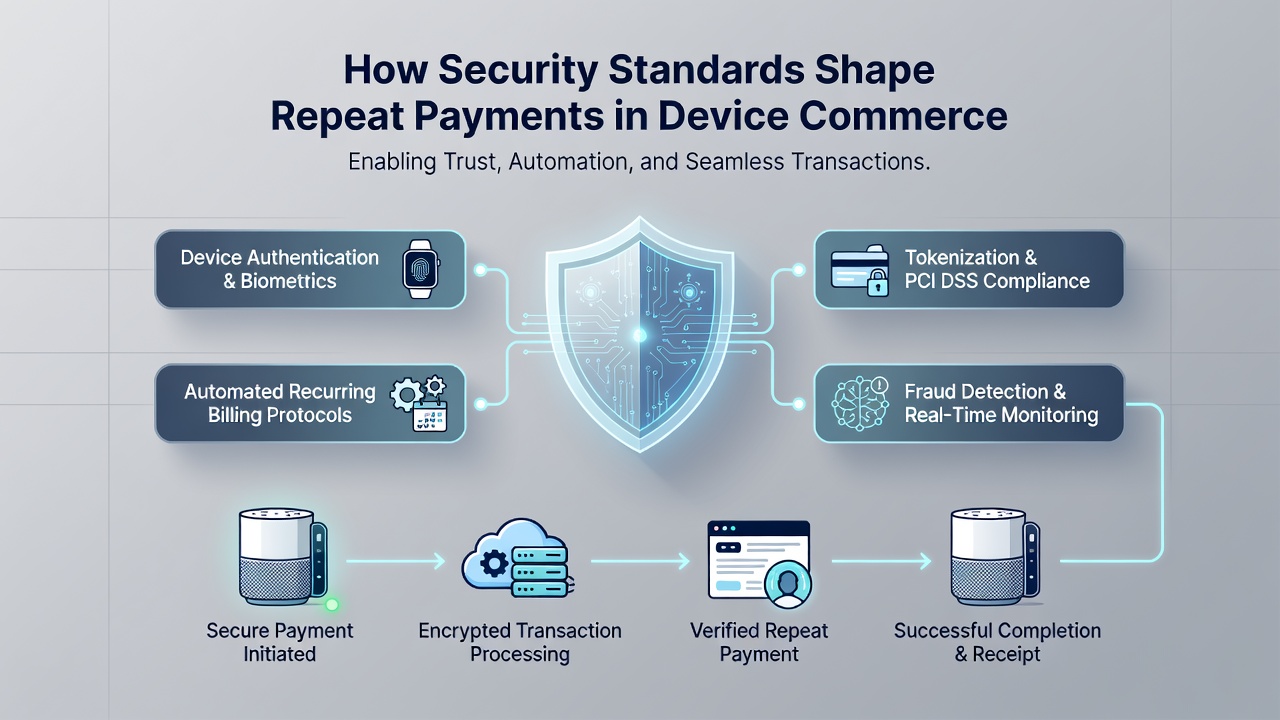
Updates scheduled for September 2026 include enhanced requirements for multi-factor elements in recurring authorizations on wireless devices, and these changes will require merchants to upgrade firmware on existing terminals to maintain compatibility with processor networks. Figures from payment associations reveal that early adopters of the forthcoming rules already report smoother integration between recurring billing software and real-time inventory tools, which reduces processing delays during seasonal surges.
Practical Effects on Merchant Operations
Merchants who align their device setups with current benchmarks gain access to streamlined settlement processes because the standards promote standardized data formats that connect authorization approvals directly to banking ledgers. One study revealed that retailers using compliant handheld units cut reconciliation times by embedding verification protocols into automated deduction sequences, and this approach supports accurate stock updates without manual intervention. Those who have studied these patterns know that non-compliance often leads to higher decline rates on repeat charges since processors apply stricter filters to transactions lacking proper encryption markers.
Device commerce environments benefit when standards coordinate with gateway operations because synchronized checks allow faster routing of recurring data during crowded market periods. Evidence suggests that this coordination helps independent retailers maintain cash flow by shortening the gap between authorization and settlement, especially when terminals link directly to supplier systems for immediate inventory adjustments.
Conclusion
Security standards continue to determine the structure of repeat payments in device commerce by enforcing encryption, tokenization, and authentication layers that merchants incorporate into daily operations. As regional rules evolve and new benchmarks take effect in September 2026, the alignment between compliance requirements and portable terminal capabilities will shape how recurring transactions flow through retail networks worldwide.